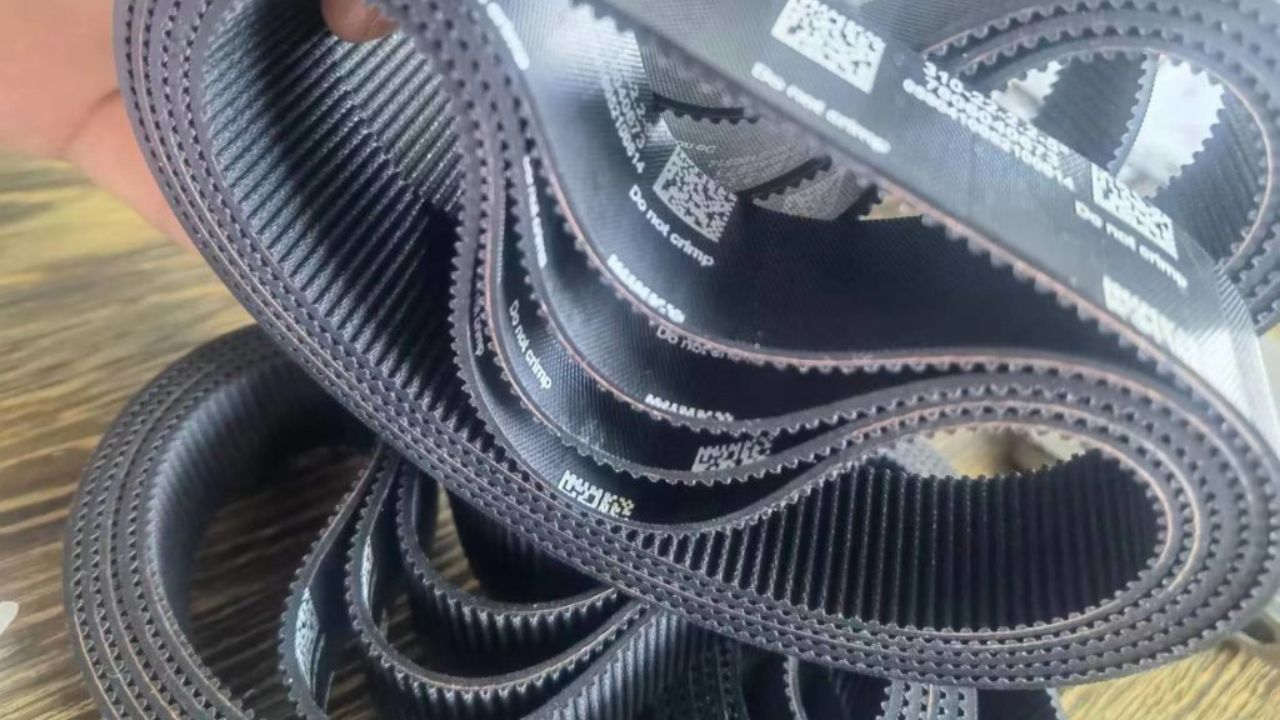
The Electric Power Steering (EPS) systems have already become an essential part of contemporary cars, as these systems provide more control to the driver, closer handling, and safety. At the heart of the effectiveness of these systems is the Electric Power Steering Belt, which is a high-performance belt that is intended to move the power dependably to the motor in the steering system. Even EPS belts have wear and tear as they age, even though they are made of durable material. In order to expand their life span, they need proper maintenance and regular checks, and to know the conditions of driving.
EPS Belt Role Knowledge
The electric power steering belt is entrusted with the task of undertaking such a transfer of torque between the electric motor and the steering system, such that the steering mechanism turns out to be responsive to the control of the driver. Unlike the conventional steering belts that were powered by hydraulic power, the EPS steering belts would be capable of withstanding high tension, friction, and heat generated during continuous use. A decline in the working performance of the belt can also put the vehicle in danger in terms of its handling and safety, and hence it is wise that vehicle owners consider the life of the belt.
Significance of Periodical Inspections
The user should also inspect the EPS belt frequently to ensure its well-being. The technicians will have to examine the belt and decide whether it is frayed, cracked, glazed, or unevenly worn. Damage can be identified in its early stages, hence avoiding a possible malfunction of the belt, which will be a costly affair, and the steering control can be toxic. In a detailed survey, one will check the position of the pulleys and tensioner condition, which are not at the correct position, because this will boost the weakening of belts, and limit their use.
Maintaining Proper Tension
One of the greatest problems that affects the life of an electric power steering belt is tension. Having the tight belt tightens it further, and the pulleys cause a loose belt to slip, and are not always able to provide consistent power. The belt should also be of the recommended tension as recommended by the manufacturer, in order to perform best. Modern cars have automatic tensioners, which assist in keeping the same tension in the belts, but manual checkups must be done after a period, so as to detect potential issues in time.
Sustaining the Cleanliness of the Belt
Some of the contaminants that have the potential to significantly cause a shortcut in the life of an EPS belt include oil, grease, dust, and road debris. Being subjected to such substances, the belt can shift or break, or wear out prematurely. The engine compartment and other parts that enclose it should be washed in order to minimize the risks of contamination. In addition, one should remember not to expose the belt to the chemicals in order to maintain the structural integrity of the belt and be able to lasts without any issues.
Extreme Driving Conditions
The life of electric power steering belts is directly influenced by the way the belts are operated and the driving habits. Heavy acceleration, sharp turns, and driving at high speed with frequent use impose an additional load on the belt and things that are attached to the belt. On the same note, the hotness as well as the coldness might also come into effect to affect the flexibility and strength of the belt material. Driving in a moderate pattern and avoiding the unnecessary challenge of the steering mechanism are meant to help increase the life cycle of the belt. The belt can resist high temperature and high-pressure conditions.
Conclusion
The electric power steering belt is an important part that directly affects the handling and safety of the vehicle. Prolonging its service life is only possible through a combination of preventive maintenance, regular check-ups, correct tensioning, and following the instructions of the manufacturer. It should be ensured that the belt and its environment are kept hygienic, driving conditions should not be extreme, and all used materials are high in quality, as these are all measures of increasing the belt life as much as possible. With such measures in place, vehicle owners will be able to have a reliable performance, minimize the cost of maintaining the vehicle, and improve the overall driving safety. Not only can the EPS belt ensure the safety of the steering system, but it also adds to the durability of the vehicle.